

Antimicrobial Textiles Are Entering the Mainstream. Here’s Why That Matters.
Antimicrobial textiles are moving from a niche category into the mainstream as demand rises across healthcare, hospitality, sportswear, home textiles, bedding, towels, and uniforms. Buyers want materials that help manage odor, support hygiene, and maintain performance through repeated use and laundering. Recent market research points to strong growth for the sector, driven by higher hygiene expectations, longer product life requirements, and closer scrutiny of safety, durability, and sustainability. For companies such as Avatech, this shift creates a timely opportunity to position antimicrobial fabric as a practical, high-value material solution for both institutional and consumer markets.

Biocidal Textiles: Why the Next Standard in Fabric Performance Goes Beyond “Antimicrobial”
Learn what biocidal textiles are, how they work, and how they differ from other antimicrobial fabric technologies for healthcare, hospitality, and commercial laundry.

Protecting Our Little Ones: Combating MRSA Outbreaks in Hong Kong Hospitals
The recent outbreaks of Methicillin-resistant Staphylococcus aureus (MRSA) among infants in Hong Kong hospitals have raised concerns among healthcare professionals and parents alike. This article discusses the impact of MRSA on infants and the preventive measures being taken to combat the spread of this dangerous pathogen. It highlights the importance of enhanced screening, cleaning and disinfection, contact transmission prevention protocols, and the potential role of antimicrobial fabrics in reducing MRSA transmission.
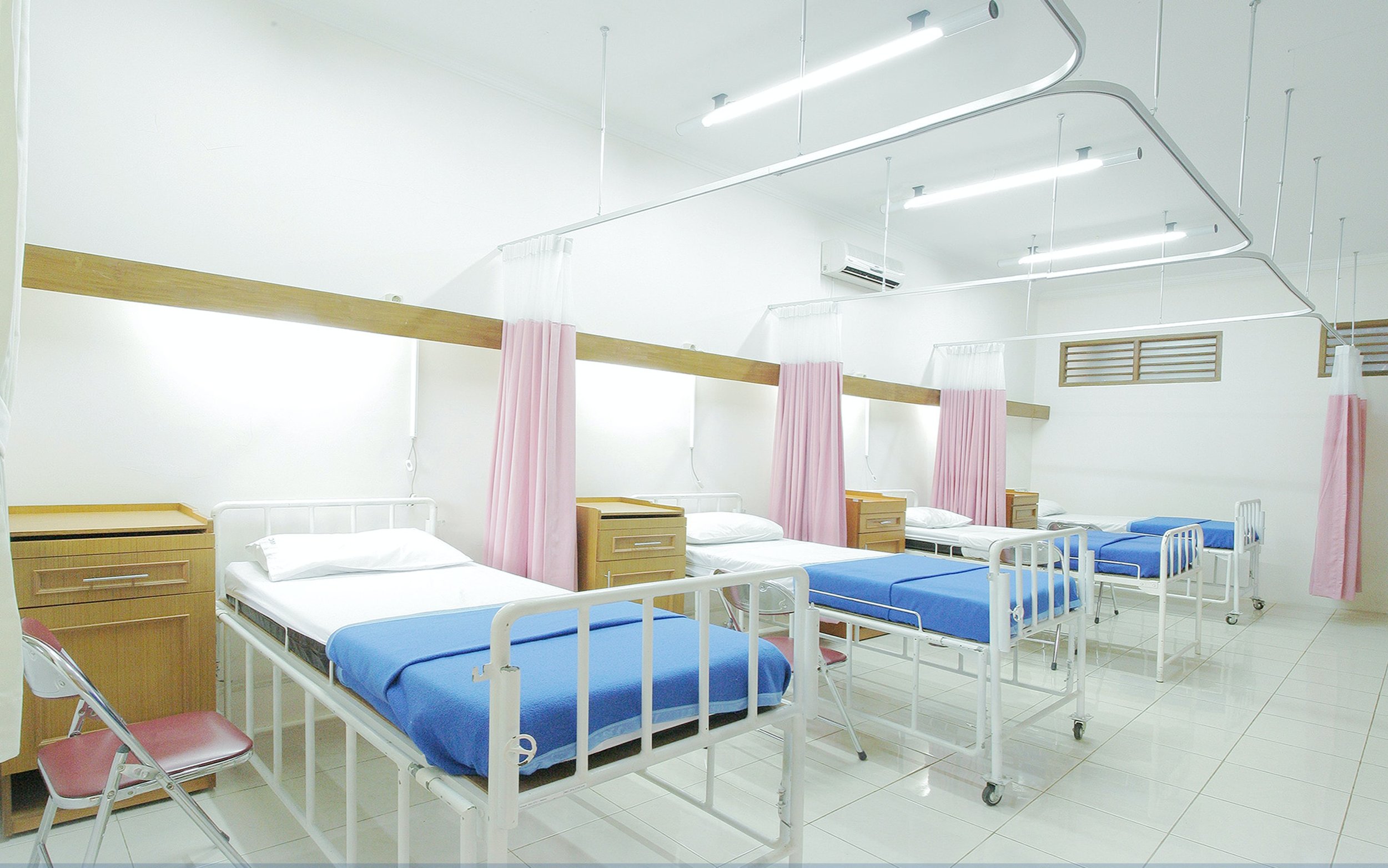
The Unseen Battle: The Critical Role of Antimicrobial Fabrics in Hospitals
A study by Otter et al. highlights the critical role of contaminated surfaces in the transmission of hospital-acquired infections (HAIs) and emphasizes the need for adopting antimicrobial fabric products in healthcare settings to create a hostile environment for germs and reduce the microbial burden on surfaces.